 by admin
What Screen Size Works Best for Home Theater Design
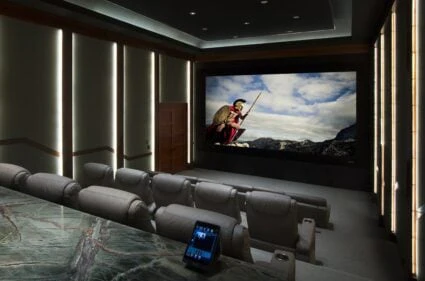
July 16, 2026If you are building an entire movie theater, selecting the best size for the screen is probably the most thrilling decision you can make. Many believe that buying the biggest screen that is possible is the most effective option. But, if the screen is too big for your room it could result in neck pain, as well as a blurry image.
Finding the right equilibrium between your seating space and the screen’s width is the key to achieving an authentic cinema experience. This is a straightforward step-by-step guide on how to select the perfect screen size for your home theater.
The Golden Rule of Viewing Distance
The screen’s size will always be determined by the distance you are away from your wall. This determines the size of your vision the screen takes up. When the display isn’t big enough, it will feel similar to watching a regular television. If the screen is too big you’ll have to rotate your head from left to right to keep track of the screen’s action.
A very simple formula that is used by professionals who provide home theater services that is based in Pakistan can be described as that of the 1.5x rule.
To determine the ideal viewing distance, simply multiply the horizontal screen’s width by 1.5. If, for instance, you’re looking for an eight feet in width, the main couch or theater seat must be placed at least 12 feet from the wall. If your space only permits you to sit at 9 feet to the wall then you must reduce your screen’s width by 6 feet so that you can enjoy your view comfortably.
Matching Screen Size to Room Dimensions
Each space is subject to physical limitations which determine the maximum display size that can be installed securely. You should determine the height and width of your wall prior to purchasing a display.
Small Rooms (10 x 12 Feet)
In tight spaces, such as the bedroom of a spare an enormous display could fill the room with. In smaller spaces with a screen that is between 100 inches and 110 inches wide is perfect. This will give you a huge cinema-like experience without overwhelming the speakers on either side.
Medium Rooms (12 x 18 Feet)
Medium rooms are among the most popular rooms for theater installations in Pakistan. This size lets you easily step up to a 120 ” to 135 inches screen. This size offers an immersive experience with multiple seats.
Large Rooms (15 x 20 Feet or More)
In the event that you own a large space, you can install a top quality projection screen that spans 150 inches in size to around 180 inches. This type of space can be used to create elevated seating that gives everyone the best view.
Consider the Screen Aspect Ratio
When selecting a screen you will have to pick between two basic designs: 16:9 or 2.35:1.
- 16:9 Ratio It is the standard design of the modern television screen. It’s ideal when you are spending a lot of time watching sports events or playing video games or streaming television shows.
- 2.35:1 Ratio 2.35:1 Ratio: This screen is an ultra wide-screen utilized by Hollywood directors in major films. If you’d like your space to look like a commercial cinema the 2.35:1 screen is incredibly luxurious. If you do watch regular TV on it you’ll see black bars that are visible on the right and left sides.
Check Your Ceiling Height and Speaker Placement
It is common for people to overlook their ceiling’s height when they dream of a huge screen. A majority of houses have ceilings of 9 or 10 feet.
The screen should not be placed with a flat ceiling or be in a position that is too near to your floor. The bottom of the screen should be two to three feet from the floor. If the screen is too low it will cause the heads of people who are on the first row to completely block out the view for the family members behind in the row.
Also, it is important to leave space on both the side facing the right and left sides of your wall to put your front speakers on the left and right. If the screen extends between corners there will be no space to place your audio equipment unless you purchase an audio-transparent screen that lets sound into the wall.
Projector Brightness vs Screen Size
The bigger the screen size, the darker your image will get. A projector emits a certain amount of light, measured in lumens. In the event that you distribute this light over the surface of a 100-inch square the image will appear amazing, bright, sharp, and vibrant.
If you take the exact same projector and put the image on a 160-inch screen the light is stretched thin, which makes the film appear dull, washed out and dark. If you’re planning to get a huge screen, you need to plan for a premium quality, high-end projector from a reputable sound system provider located in Pakistan with enough power to ensure that the image is bright.
Incorporating Smart Automation Services
A top-quality display will look even better when it is paired with a smart automation system. Instead of having a large white screen that will always block the beautiful decor of your walls or windows, you could set up a motorized drop-down screen.
If you work with a Smart home automation system in Pakistan it is possible to program your space to be transformed by a single touch. When you hit the play button of your smartphone the smart system will roll the screen of your projector to an invisible ceiling slot. activate your media centre, shut the motorized blinds on windows, and turn the lights down to complete darkness.
The Impact of Border Design on Perceived Size
The frame around your screen is an important purpose in terms of visuals. The best projection screens have an extensive border that is wrapped in black velvet. The black border is made to block any excess light that spills onto areas of display.
Visually, this dark frame provides an extremely high-contrast border which makes the colors on the screen appear more intense and vibrant. The screen will also appear larger and more professional, much like frames used in a cinema commercial. When deciding on your layout, be sure to include an additional 2 to 3 inches in wall area to fit this crucial velvet border frame securely.
Conclusion
The ideal size screen isn’t just the largest one you can afford, it will be the size that matches with the size and dimensions of your room as well as your viewing distance precisely. Always take measurements of your walls, determine your seating area using your 1.5x rule, make enough space for your speakers and make sure your projector is bright enough to cover the entire surface.
When you take your time to design the arrangement carefully, you can build a beautiful home cinema that is balanced and will provide the perfect experience for every movie night.